What is Reiki?
Reiki = Spiritual Energy
Reiki is a safe, non-invasive practice designed to stimulate the body’s natural healing mechanism. Reiki can help provide healing energy for any injury or illness, improve your clarity, focus and mood, energize you when you are burnt out or feel depleted. Reiki can also be used to encourage balance, stimulate mindfulness, reduce anxiety, depression and help you find a greater sense of inner peace
Reiki is empowering.
It helps you feel more capable to address the ways in which life is particularly challenging for you, where you feel blocked, in a rut or disconnected from your joy. Reiki connects you deeply to your spirit; it clears, straightens and heals your subtle body so your life force energy can flow in a natural way. It always helps.

What is Reiki?
The word Reiki is composed of two root words: ‘Rei’ and ‘Ki.’
Rei means ‘spiritual’ and can be equated with the heavens & spirit, symbolizing the spiritual aspects of the human being. Other translations of Rei include: life, soul, inconceivable spiritual ability, bright, unpolluted, pure, divine, mysterious.
Ki means ‘energy’ and describes the energy of everything including Heaven and Earth, the entire Universe.* Ki is similar or equivalent to chi, qi and prana. In scientific literature, it is described as biofield energy. Ki is the non-physical energy that animates all living things. If something is alive, it has life energy circulating through it and surrounding it. When something dies, the life energy of the organism departs. Ki is understood to be the primary energy of our emotions, thoughts and spiritual life. The Chinese place great importance on the life energy, or ‘chi’ in Chinese. It has been studied for thousands of years and the Yellow Emperor’s Classic of Internal Medicine, describes thirty-two different types of chi.
Previously these two kanji of Reiki have been translated as ‘universal energy’ outside of Japan. This is a translation of the second kanji ‘ki’ only. The first kanji, ‘rei’ may have been left out of English translations due to the fact that the term ‘spiritual’ didn’t tend to the be the focus of modern practice.
In Chinese, the same two kanji of Reiki are pronounced differently but have a similar meaning. In Chinese, Reiki is called ling chi:
“Ling chi is the subtlest and most highly refined of all the energies in the human system and the product of the most advanced stages of practice, whereby the ordinary energies of the body are transformed into pure spiritual vitality. This type of highly refined energy enhances spiritual awareness, improves all cerebral functions and constitutes the basic fuel for the highest level of spiritual work.”
Chi-gung: Harnessing the Power of the Universe by Daniel Reid
*Excerpt from Frans & Bronwen Steine Shoden Manual
© 2020 INTERNATIONAL HOUSE OF REIKI
How does it work?
Reiki is pure universal energy, like the energy of the ocean, life and nature.Everything has energy or ‘ki’ in it and there is an unlimited amount of energy. Energy may seem invisible or elusive but from the perspective of Reiki, this energy is all encompassing. Reiki is the energy of everything. It is neither a religion nor is it intrusive.
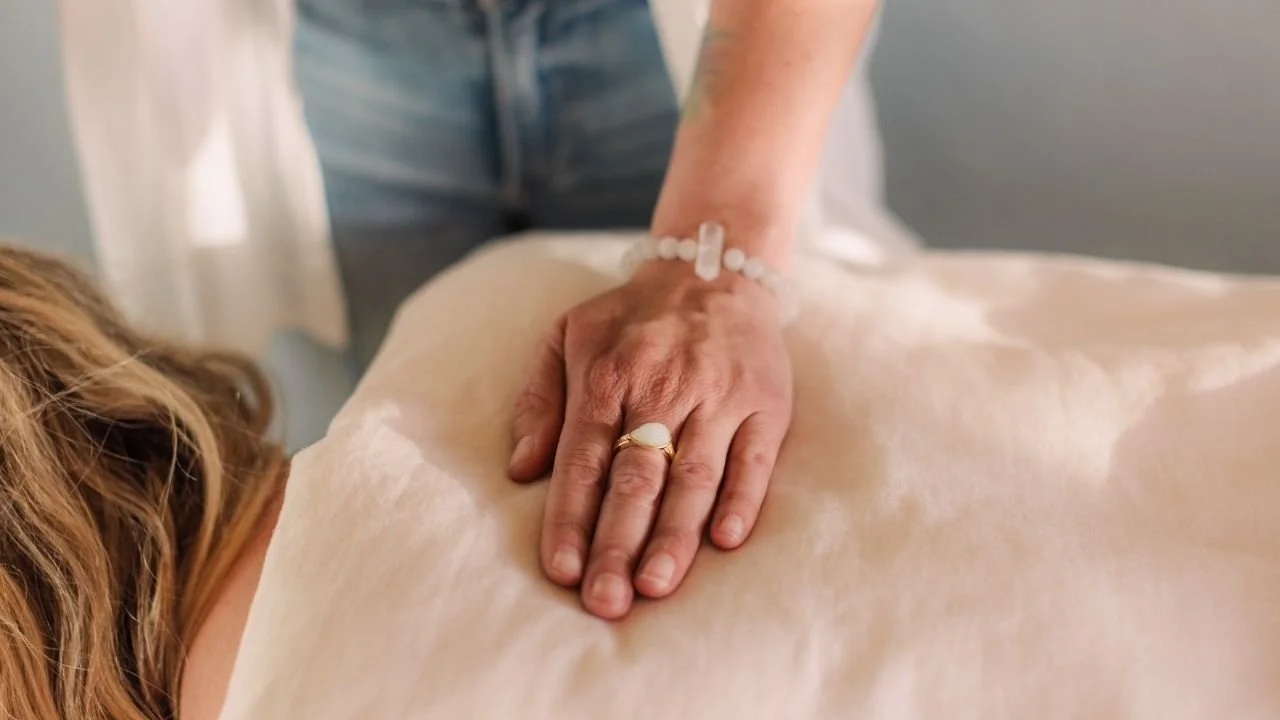
The system of Reiki understands that “life force energy” or ki flows through the body through three main energy centers called the dantain. These energy centers are located in the lower belly, heart and head. Ki is also present and can pass directly through the organs and the tissues of the body. The free and balanced flow of healthy ki is one cause of well-being. Negative thoughts, emotions and difficult life circumstances cloud or block the effective flow of ki energy through the body and the subtle body eventually leading to disruptions in the healthy flow of your life force. Reiki clears, straightens and heals energetic pathways allowing life force energy to flow in a natural way. When a block is released, a person can experience euphoria, greater understanding, peace, relaxation and, commonly, a hot or cold sensation.
Where did Reiki Come From?
Reiki is a Japanese healing art developed about 100 years ago in Kyoto, Japan by a man named Usui Mikao.
Usui Mikao lived a unique life. His spiritual practice likely began in his teenage years with intensive training in aiki jutsu, a Japanese martial art. Elements of Japanese cultural and spiritual traditions, namely Shintoism, Buddhism and a unique folk religion called Shugendo formed the backbone of his spiritual practice.
Near the end of his life's journey, spirituality became his primary pursuit. This led him on a quest to achieve something called anshin ritsumei, a state of being analogous to enlightenment. What he sought is characterized by a deep, embodied and lasting state of inner peace from which you can understand and actualize your soul's destiny and purpose for living.
His pursuit of anshin ritsumei eventually led him to a mountain called Kurama near Kyoto, Japan where he underwent an intense fast. On the mountain he likely engaged in several challenging physical, mental and spiritual rituals. After approximately three weeks, he experienced a great light enter his crown and it rendered him unconscious. Upon waking, he was filled with an immense energy and discovered that he had achieved the state of enlightenment he was seeking.
In the remaining four years of his life he developed a whole system of healing based on Reiki meaning "spiritual energy." He called his method of Reiki Shin Shin Kaizen Usui Reiki Ryoho which means "Usui Reiki Healing Method for Improving the Heart/Mind and Body." His system of healing is often simplified as Usui Reiki Ryoho meaning the "Usui Reiki Method."
Usui Mikao did something incredible in his lifetime, he created a system of practice that enabled anyone to understand and provide energy healing. He brought together elements of many influences in his life to create a healing modality that anyone could practice without making it dogmatic or religious.
Reiki in Healthcare
Reiki is generally considered safe when used alongside conventional medical care, it has been incorporated into many hospitals, cancer centers, hospice programs, and integrative health settings around the world.
Patients often receive Reiki as a complementary therapy to support comfort, reduce stress, ease anxiety before medical procedures, and improve overall quality of life during treatment and recovery. Healthcare professionals are also increasingly using Reiki as a self-care practice to help manage stress and reduce burnout.
Reiki is not intended to diagnose, treat, cure, or replace medical care. Rather, it serves as a complementary practice that supports the whole person—body, mind, and spirit—while working alongside conventional healthcare.
Long before scientific research began investigating Reiki, practitioners observed its effects through direct experience. Science continues to explore how Reiki works, while the tradition itself reminds us that not everything meaningful can be fully measured.
Whether you are seeking stress relief, emotional balance, support during a challenging time, or a deeper connection with yourself, Reiki offers a gentle space where healing, rest, and renewal can unfold.

Why you should try it?
Reiki is a milestone on your journey to a happier, healthier life. It is a safe and natural method of healing and self-improvement which works well with all other medical and therapeutic techniques. A Reiki treatment can help with not only physical ailments but also is designed to address emotional, mental or energetic roots of an imbalance to prevent recurrence of illness or disease. Many experience positive side effects including relaxation and feelings of peace, capability and security.
What are the benefits?
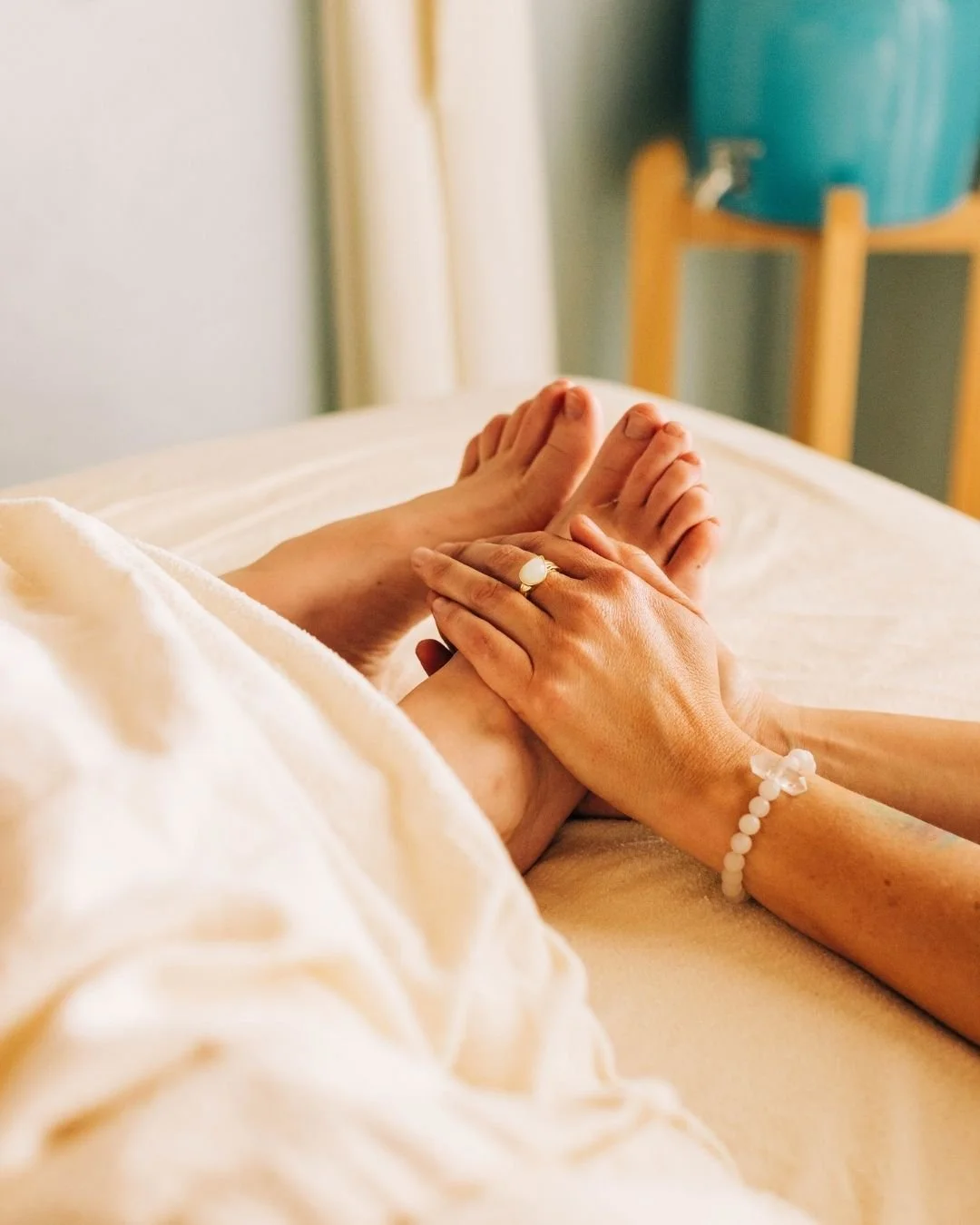
Reiki is not intended to be used as a cure but rather, it is designed to complement Eastern and Western modalities of healing. A Reiki treatment can:
— Stimulate mindfulness
— Improve clarity, focus and mood
— Rejuvenate energy
— Encourage balance
— Help release unwanted habits and addictions
— Ease stress and promote relaxation
— Provide healing energy for any injury or illness

How do you practice it?
One of the most practical ways of entering a “state of Reiki” is to meditate daily on the Reiki precepts. Each precept is a little gem you can take your time with in meditation as a means to re-align yourself with the deeper mystery of who you are. The practice of contemplation and meditation of the precepts is open to anyone, no matter if you have taken a Reiki course or not.
You can think of the mindset of the Reiki precepts as a doorway into the experience of Reiki.
Practitioners of Reiki might also feel inspired to chant the Reiki precepts in Japanese to generate kotodama, the spiritual energy of the words.
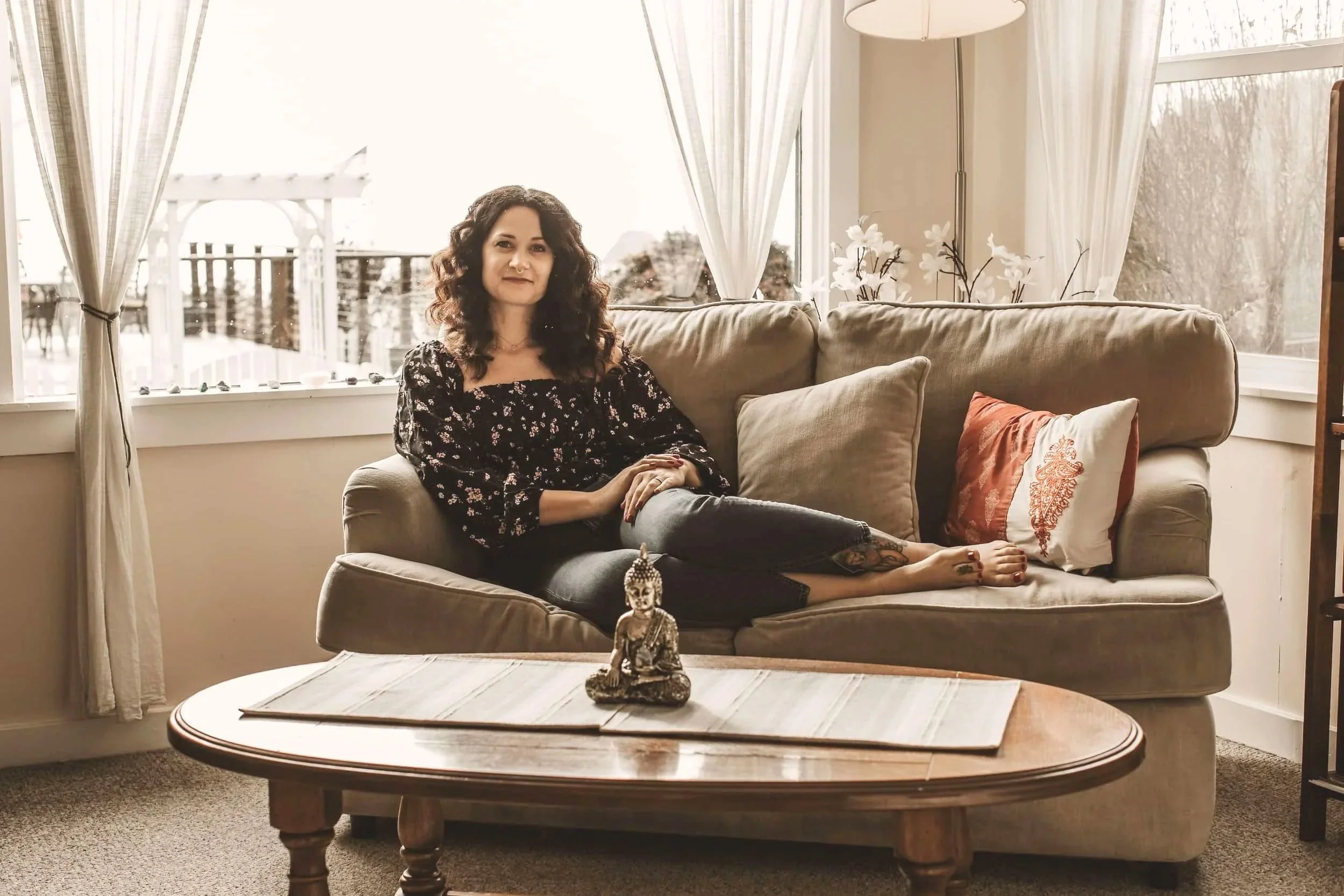
My approach.
Reiki Healing Society is dedicated to creating a cultural and ideological shift in Reiki which is:
🌲 Grounded in the roots of Reiki.
🌲 Conscious of Reiki's potential.
🌲 Inspired by nature.
🌲 Empowering, validating and honoring towards ALL, each of us on our own unique journey of healing, oneness and spirituality.
🌲 A safe(r), trauma informed community that is inclusive for all people and specifically for BIPOC & LGBTQIIA+ folks.
🌲 Making waves toward a better world. Join the pledge to donate $1 for each Reiki session you provide so that we can make a bigger impact towards a world we believe in. Learn more here.
Kind Words From Our Clients…
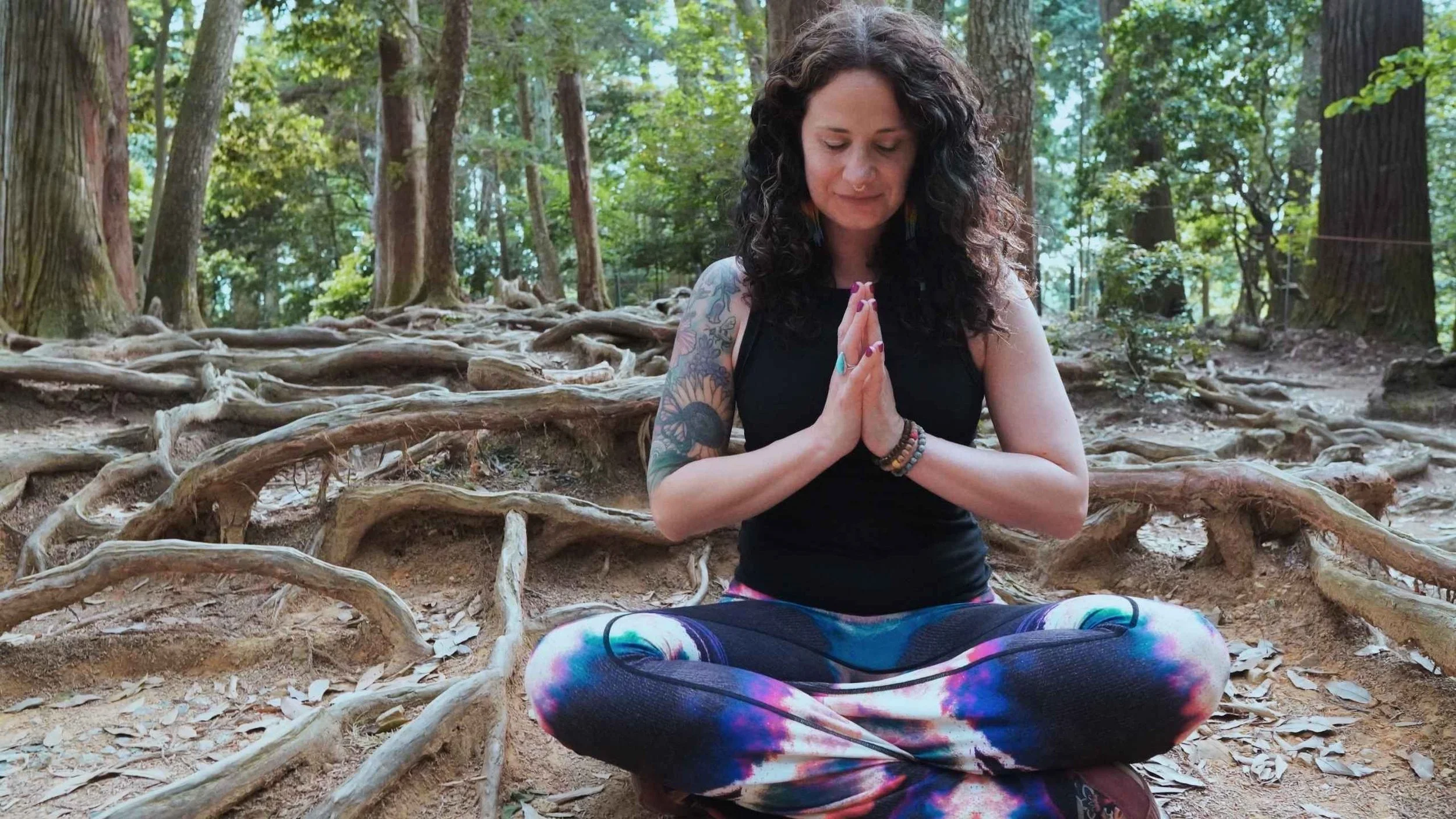
Need a little help getting your sparkle back?!?
If you have some questions or are not sure where to begin, I’d love to connect with you and find the offering that’s right for you.
Reach out anytime—I would be honored to walk with you.